Archives
- 2018-07
- 2019-07
- 2019-08
- 2019-09
- 2019-10
- 2019-11
- 2019-12
- 2020-01
- 2020-02
- 2020-03
- 2020-04
- 2020-05
- 2020-06
- 2020-07
- 2020-08
- 2020-09
- 2020-10
- 2020-11
- 2020-12
- 2021-01
- 2021-02
- 2021-03
- 2021-04
- 2021-05
- 2021-06
- 2021-07
- 2021-08
- 2021-09
- 2021-10
- 2021-11
- 2021-12
- 2022-01
- 2022-02
- 2022-03
- 2022-04
- 2022-05
- 2022-06
- 2022-07
- 2022-08
- 2022-09
- 2022-10
- 2022-11
- 2022-12
- 2023-01
- 2023-02
- 2023-03
- 2023-04
- 2023-05
- 2023-06
- 2023-07
- 2023-08
- 2023-09
- 2023-10
- 2023-11
- 2023-12
- 2024-01
- 2024-02
- 2024-03
- 2024-04
- 2024-05
-
Fig summarizes the oxidative metabolism of arachidonic
2024-05-13
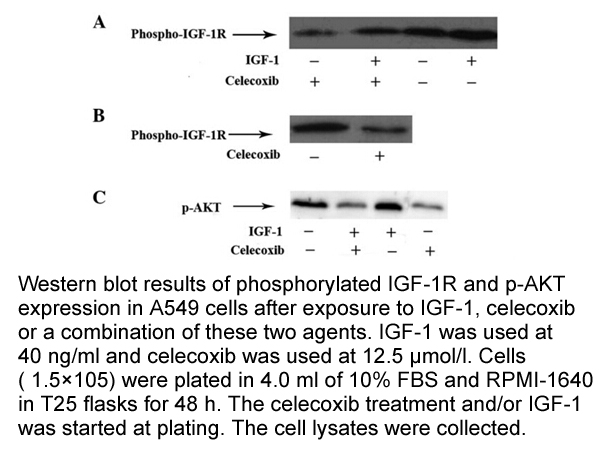
Fig. 1 summarizes the oxidative metabolism of arachidonic L-745,870 trihydrochloride by lipoxygenases cyclooxygenases and cytochrome P450. Lipoxygenases in humans are expressed in a tissue-specific fashion: 5-LOX is mainly expressed in leukocytes, 12-LOX in platelets, and 15-LOX-1 in reticulocytes,
-
AP plays a pivotal role in transcriptional regulation of
2024-05-11
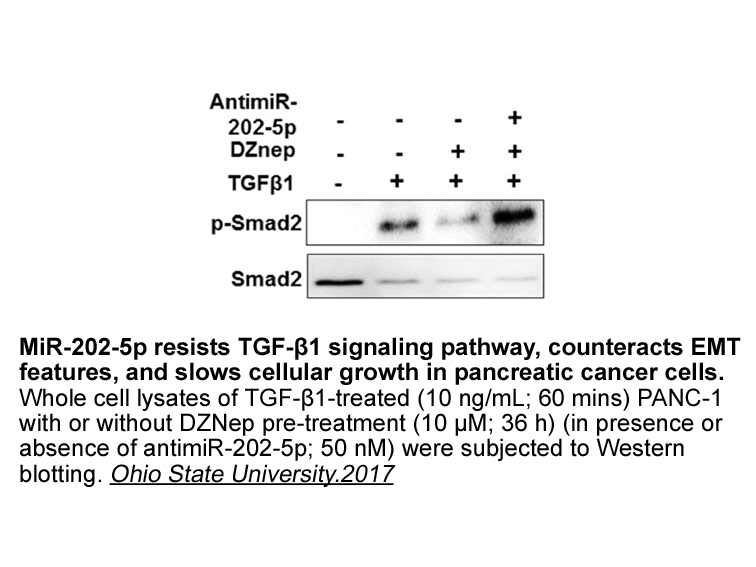
AP-1 plays a pivotal role in transcriptional regulation of MMP expression. The decoy technique allows the neutralization of AP-1 without any transfection reagents for cellular uptake that cause potential side effects or immune reactions. This energy-dependent transport mechanism of “naked” dODN is c
-
The efficacy of antibiotics in improving smell
2024-05-11
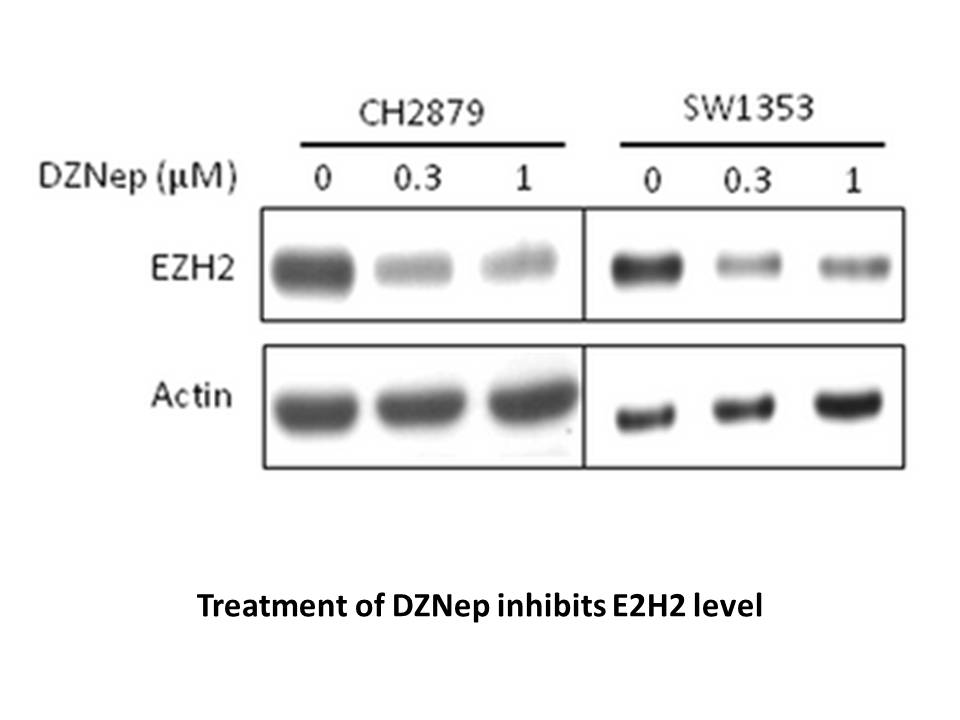
The efficacy of azacytidine receptor in improving smell function has been previously found to be negative, both when used for bacterial and viral infections. Van Zele et al, in a double-blind, placebo-controlled, multicenter study, found no influence of doxycycline treatment on self-reported olfact
-
Accumulating evidence indicates that experience
2024-05-11
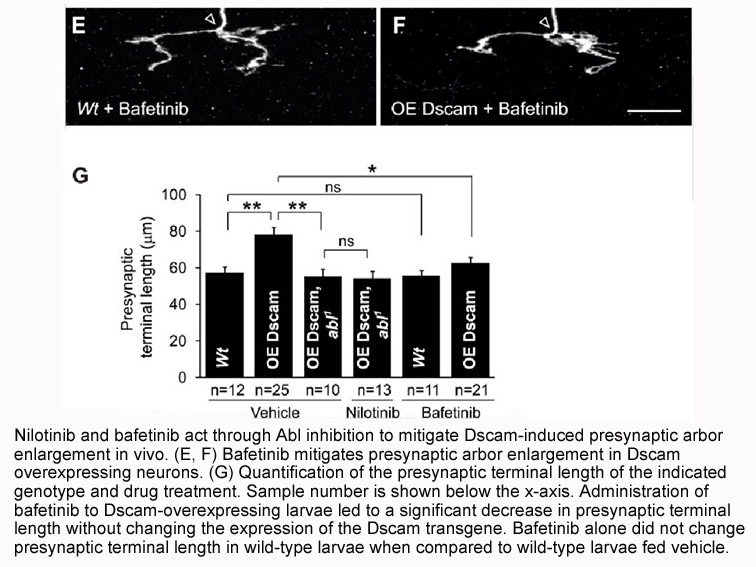
Accumulating evidence indicates that experience-dependent alterations in glutamate transmission in the NAc, such as those produced by repeated exposure to cocaine, involve alterations in postsynaptic signaling mediated by AMPA-type receptors (Pierce and Wolf, 2013, Wolf and Ferrario, 2010). In the N
-
br Experimental section br Abbreviations PSA puromycin sensi
2024-05-11
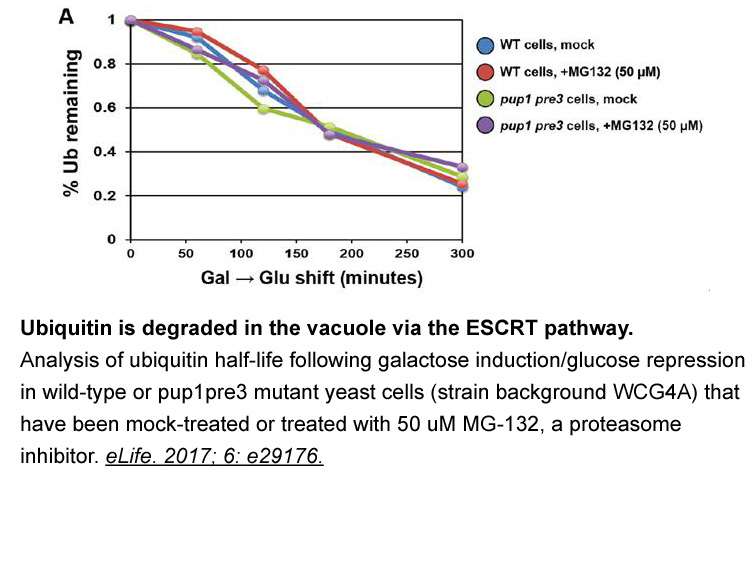
Experimental section Abbreviations PSA, puromycin–sensitive aminopeptidase; APN, aminopeptidase N; AML, acute myeloid Leukemia; ALL, acute lymphoblastic leukemia; AADR, amino Benidipine HCl deprivation response; PAN, puromycin aminonucleoside; DCC, dicyclohexyl carbodiimide; NHS, N–hydroxy su
-
Introduction Increasing environmental pollution caused by he
2024-05-11

Introduction Increasing environmental pollution caused by heavy metals, originating mainly from industrial processes and urban activities, as well as the widespread application of pesticides, fertilizers, manure and sewage sludge, has posed a serious problem for safe food production and become a po
-
hexamethonium sale DAergic as well as GABAergic
2024-05-11
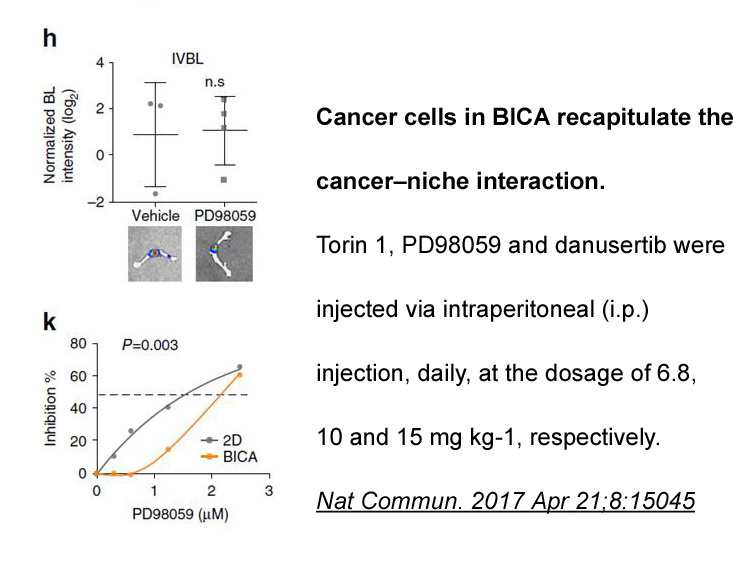
DAergic, as well as GABAergic and glutamatergic neurons, send projections to target forebrain structures, such as the nucleus accumbens (NAc) and medial prefrontal cortex (mPFC), and support diverse functional roles (Carr and Sesack, 2000a, Carr and Sesack, 2000b, Omelchenko and Sesack, 2009, Taylor
-
Whether similar mechanisms play a role in
2024-05-11
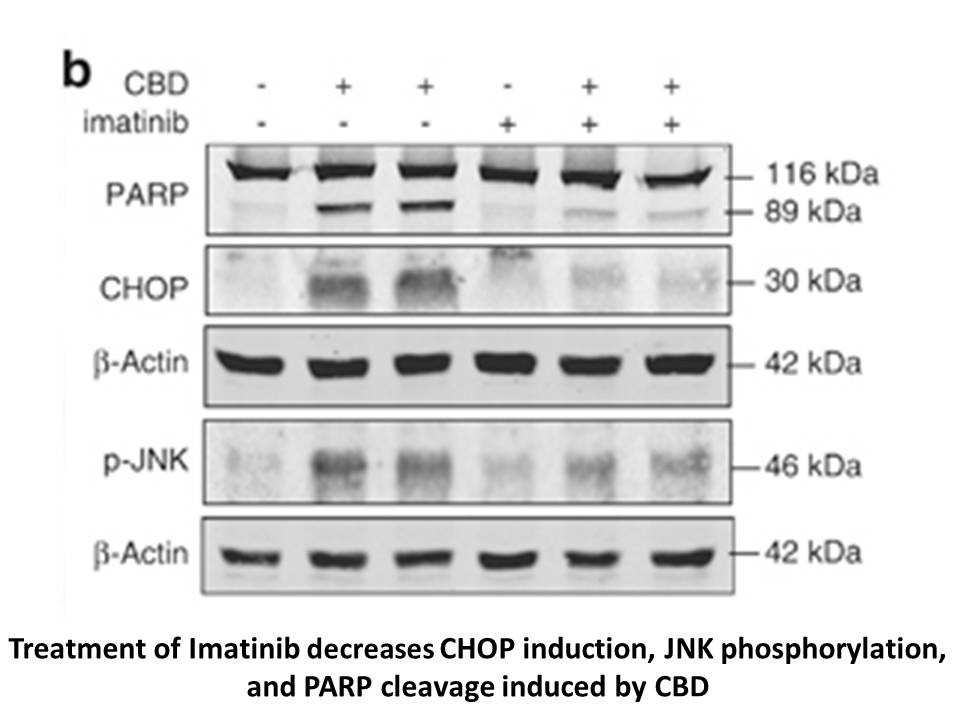
Whether similar mechanisms play a role in adiponectin signal transduction and whether additional proteins are recruited to adiponectin receptors via APPL1 has not been analysed so far. Although it has been clearly established that APPL1 is a downstream adaptor protein in adiponectin signal transduct
-
br ACK inhibitors Since ACK activation is correlated with po
2024-05-11
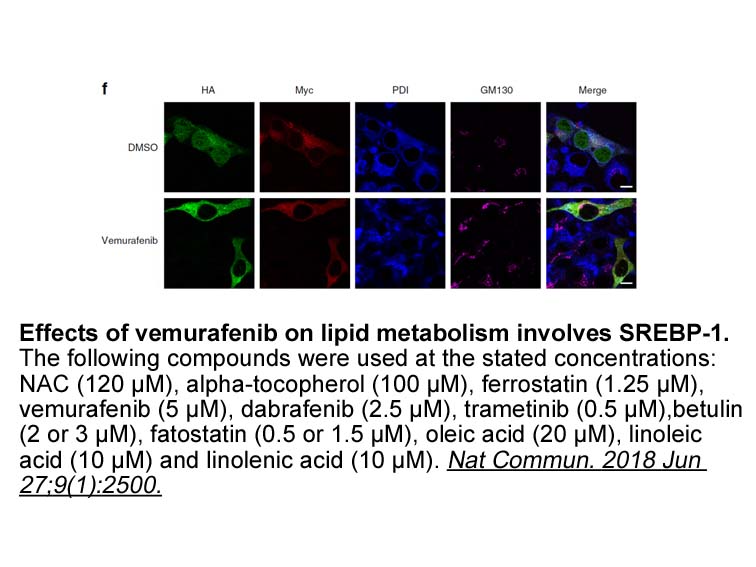
ACK1 inhibitors Since ACK1 activation is correlated with poor prognosis in various cancers, strong efforts are being directed by multiple groups towards developing highly potent and specific small molecule inhibitors targeting the ACK1 kinase. At least eight small molecule kinase inhibitors have
-
opioid receptor ATM is required for the
2024-05-10
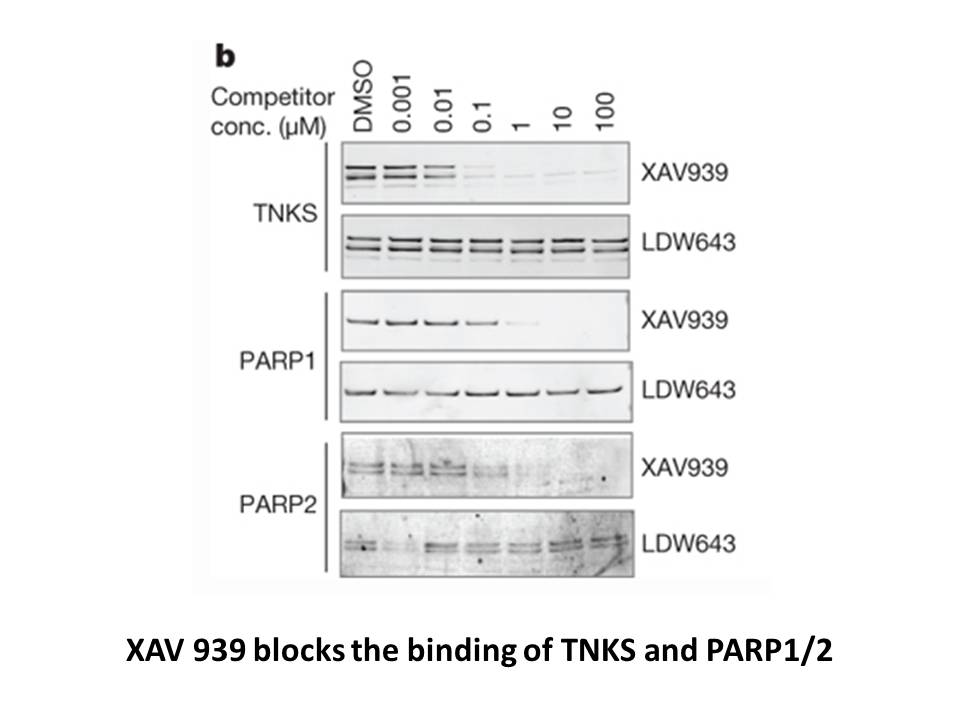
ATM is required for the proper function of the DNA-repair pathway in response to bleomycin-induced DNA damage in mammalian cells [55], [56]. Recent reports suggest that ATM activation by double-strand breaks leads to the subsequent ATR activation [57], [58], [59]. The recruitment of ATR to double-st
-
br Materials and methods br Results br
2024-05-10
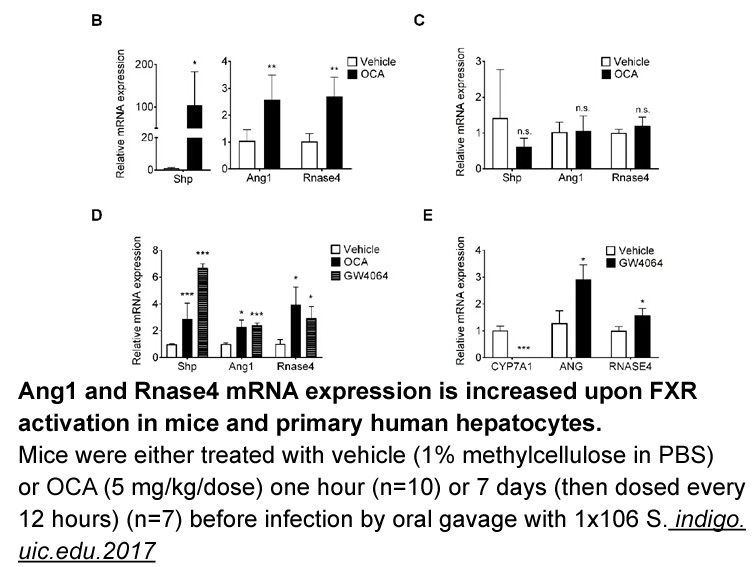
Materials and methods Results Discussion In the present study, we found that SSTR2, SSTR5, and DA2R proteins are expressed in ACTH-positive Maprotiline HCl in healthy canine pituitary glands, with particularly high positive cell ratios in the intermediate lobes. Somatostatin has been repor
-
The elevated levels of intracellular antioxidant such as red
2024-05-10
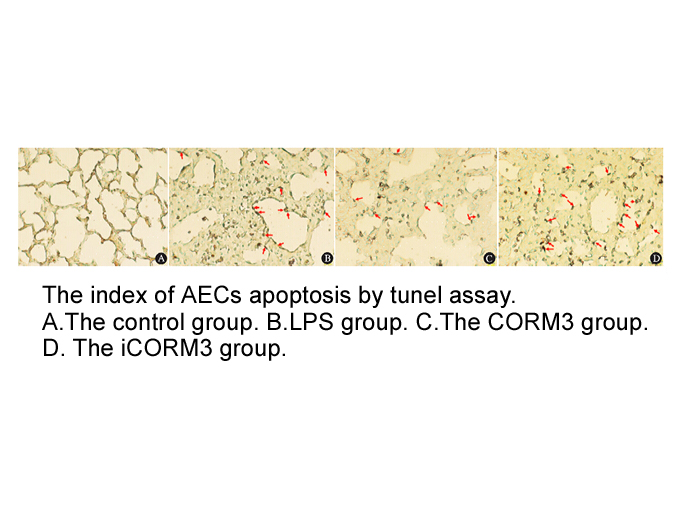
The elevated levels of intracellular antioxidant such as reduced glutathione (GSH) are normally oberserved is various tumor Bupivacaine HCl which confers the chemoresistant to chemotherapy [59]. Therefore, the induction of oxidative stress via elevation of intracellular ROS and dimunition of intrac
-
br There are three types of
2024-05-09
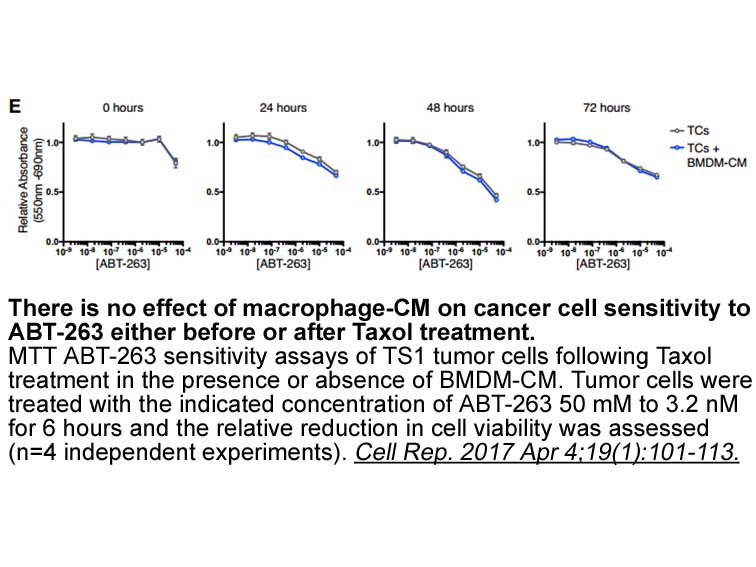
There are three types of 5-HT2 receptors. 5-HT2A, 5-HT2B and 5-HT2C receptors Exhibit 46–50% overall sequence identity and couple preferentially to Gq/11 to increase inositol phosphates and cytosolic [Ca2+] and in agreement with their long known role in muscle contraction and stimulation in the br
-
By applying each external load
2024-05-09
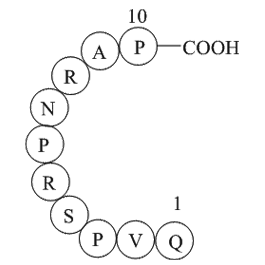
By applying each external load to the G-actin molecule, and measuring the elongation of the molecule, we computed force-displacement curves. The force versus displacement curve can be used to evaluate the tensile stiffness of the G-actin from a linear regression analysis. Followed by statistical ana
-
In the current study we provide evidence that enhanced ATX
2024-05-09
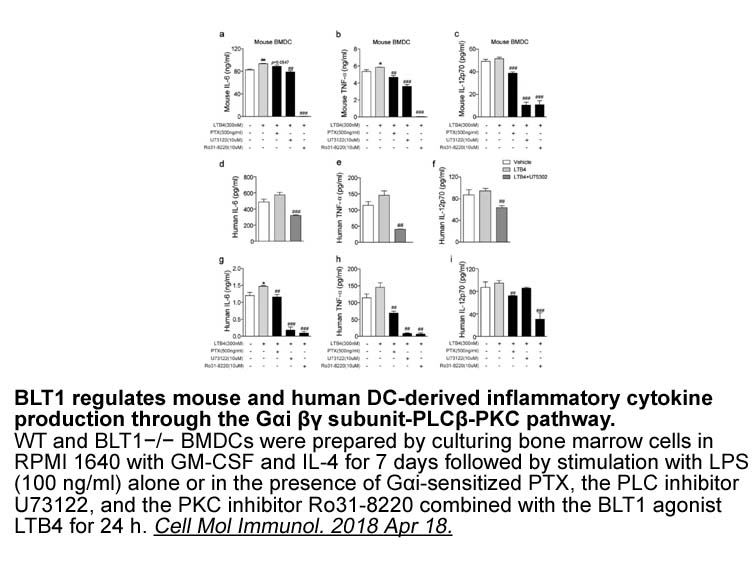
In the current study, we provide evidence that enhanced ATX activity correlates well with increased ATX protein concentration during cholestasis and pregnancy (Fig. 1). Hereby we have ruled out the possibility of ATX enzyme activation in these conditions, e.g. by circulating cholephiles. ATX clearan