Archives
- 2018-07
- 2019-07
- 2019-08
- 2019-09
- 2019-10
- 2019-11
- 2019-12
- 2020-01
- 2020-02
- 2020-03
- 2020-04
- 2020-05
- 2020-06
- 2020-07
- 2020-08
- 2020-09
- 2020-10
- 2020-11
- 2020-12
- 2021-01
- 2021-02
- 2021-03
- 2021-04
- 2021-05
- 2021-06
- 2021-07
- 2021-08
- 2021-09
- 2021-10
- 2021-11
- 2021-12
- 2022-01
- 2022-02
- 2022-03
- 2022-04
- 2022-05
- 2022-06
- 2022-07
- 2022-08
- 2022-09
- 2022-10
- 2022-11
- 2022-12
- 2023-01
- 2023-02
- 2023-03
- 2023-04
- 2023-05
- 2023-06
- 2023-07
- 2023-08
- 2023-09
- 2023-10
- 2023-11
- 2023-12
- 2024-01
- 2024-02
- 2024-03
- 2024-04
- 2024-05
-
Once apoptosis has been initiated the HMGA proteins themselv
2024-05-07

Once apoptosis has been initiated the HMGA proteins themselves undergo marked changes in both the types and extent of their post-translational modifications (PTMs; review in [149,175]), some of which are likely correlated with alterations in chromatin structure. For example, the early stages of apop
-
The studies have described that Candida non albicans
2024-05-07
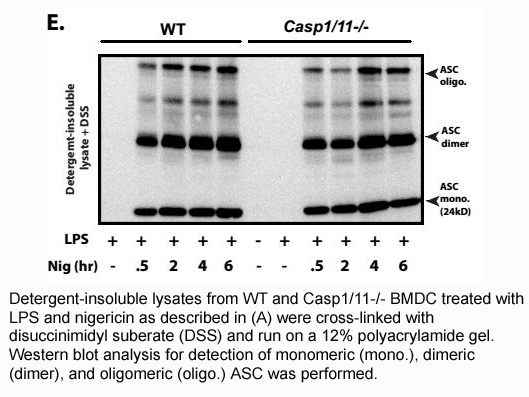
The studies have described that Candida non-albicans are considered as remarkable pathogenic agents of OPC, and among them, C. tropicalis and C. glabrata are known as major strains that may replace C. albicans as the greatest causing agent of this infection [20], [21]. It has been shown that Candida
-
br Combination Effective RAS inhibition which
2024-05-07
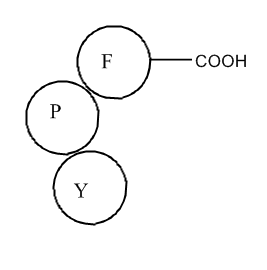
Combination Effective RAS inhibition, which is important for vasopressin receptor antagonists control as well for the management of associated illnesses, can be produced through proper selection and dose maintenance and also by the combination with other antihypertensive agents along with contin
-
Moreover our results indicate that ADP is by far
2024-05-07

Moreover, our results indicate that ADP is by far a better phosphate donor than AMP (Table 2). Yet, the bindings of AMP and ATP are mutually exclusive, whereas the bindings of ADP and ATP are additive (Fig. 7). The multiplicity of the phosphate donors in the TgAK reaction (Tables 1 & 2), suggests th
-
br Materials and methods br Results and
2024-05-07
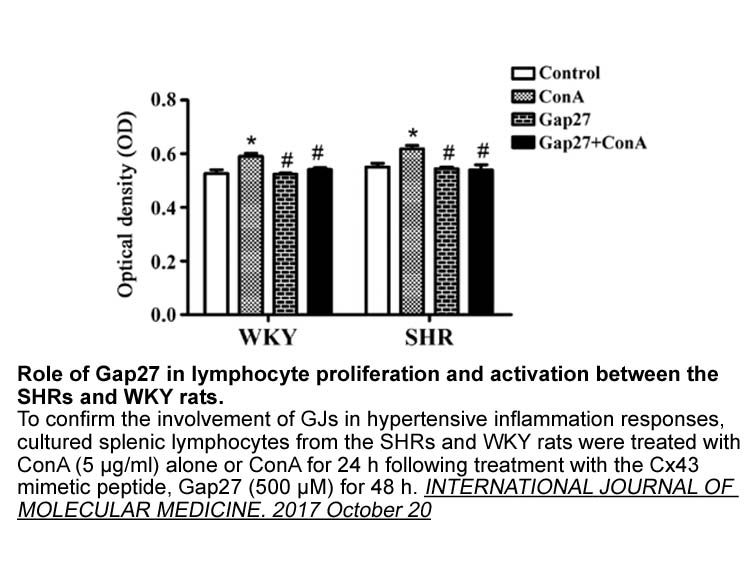
Materials and methods Results and discussion Conclusion Amino-functionalized mesoporous TiO2-NH2 microparticles were used to immobilize ADA, followed by GLU cross-linking. The mesopores provided a natural microenvironment with sufficient room for the enzyme to efficiently perform its cataly
-
Some alterations in the integrity of cell membranes caused
2024-05-07
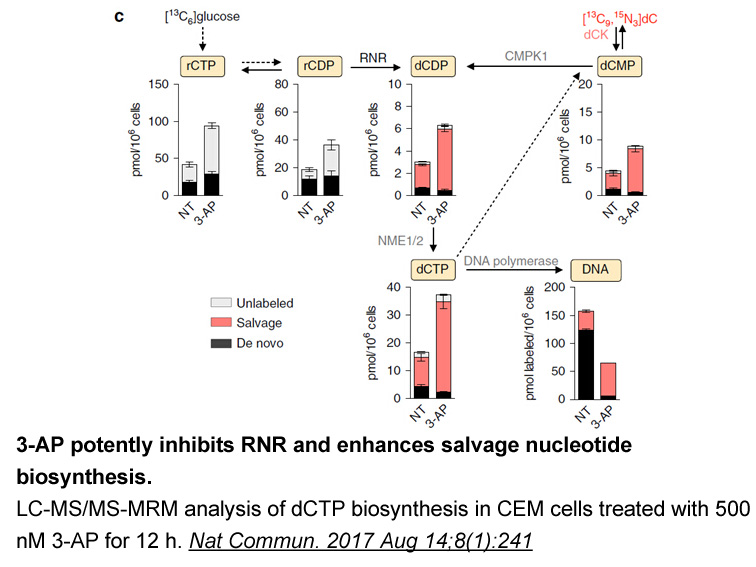
Some alterations in the integrity of cell membranes caused by toxic agents can be determined by measuring certain enzymes released by damaged cells [8]. The cholinesterases, for example, catalyze the hydrolysis of Sumatriptan (ACh) in choline and acetic acid. Theses enzymes are divided into two typ
-
Compound mg was purified as
2024-05-07
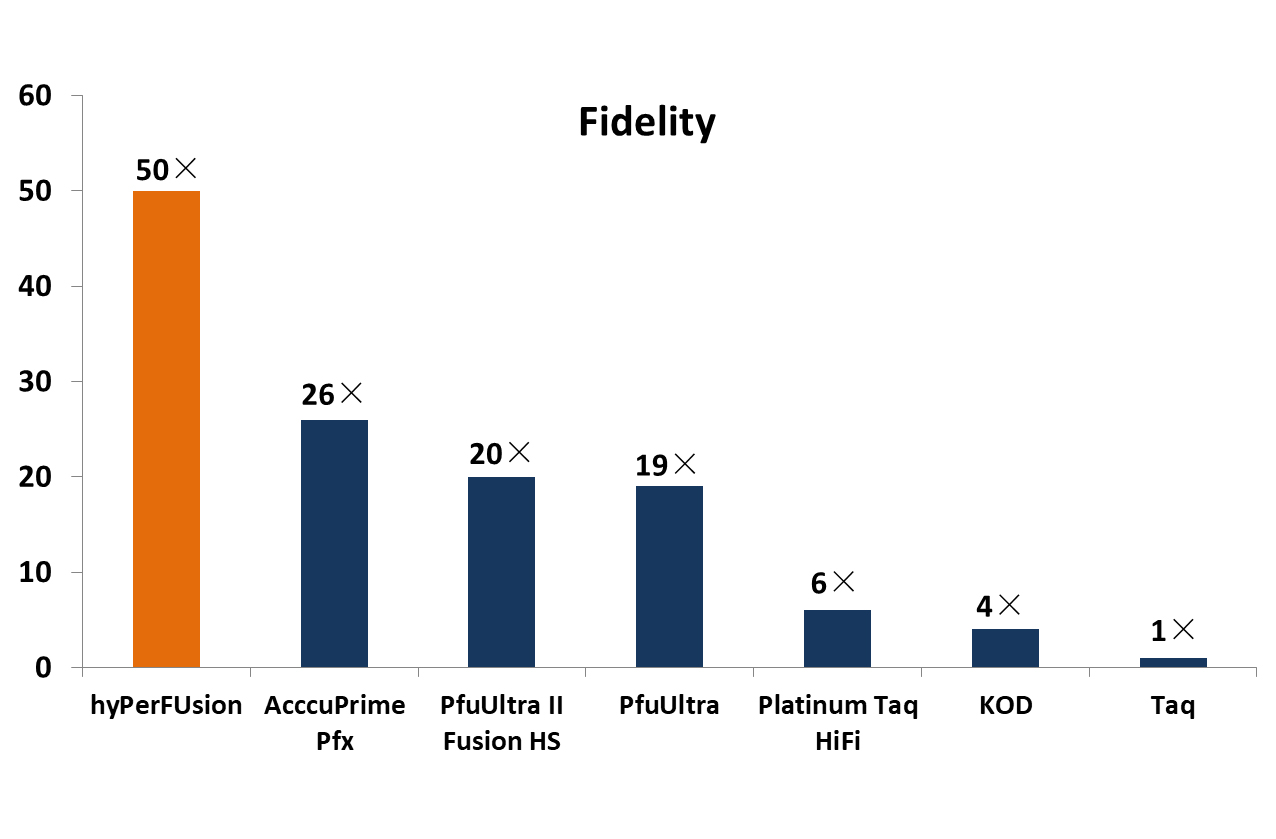
Compound 3 (29 mg) was purified as an amorphous, colourless powder. Molecular formula C20H28O4 was established by HRESIMS (Fig. S11) and corroborated with 1H and 13C NMR spectroscopic data (Table 1). IR spectrum showed bands for hydroxyl (3433 cm−1) and carbonyl (1686 cm−1) groups. 13C NMR spectrum
-
br Materials and methods br Results br Discussion The curren
2024-05-06
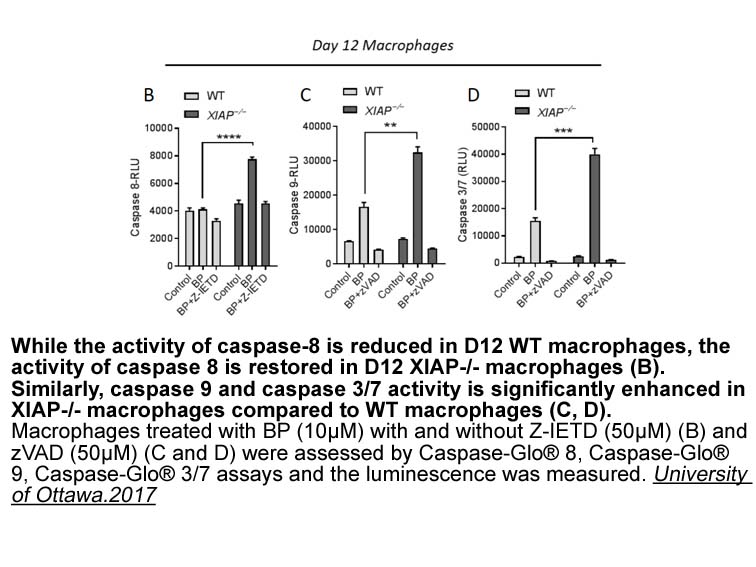
Materials and methods Results Discussion The current treatment modalities for colorectal cancer are hampered by various issues such as high acquired resistance, long-term complication with potential of cancer recurrence, severe side-effects and poor therapeutic index [50], [51], [52]. Compl
-
br Experimental section br Acknowledgements This work was fu
2024-05-06
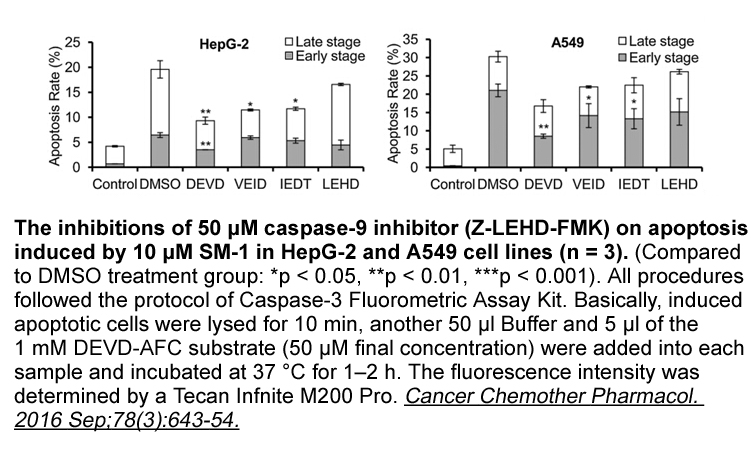
Experimental section Acknowledgements This work was funded by the Italian Association for Cancer Research (AIRC IG18590 to A.A.), by “Fondi di Ateneo-University of Pisa” years 2009 and 2010 (E. N., S. N., E. O., and A. R.) and partially by the Unipi project P.R.A.2016_27 (E. N., E.O. and A. R.
-
Given these findings above we
2024-05-06
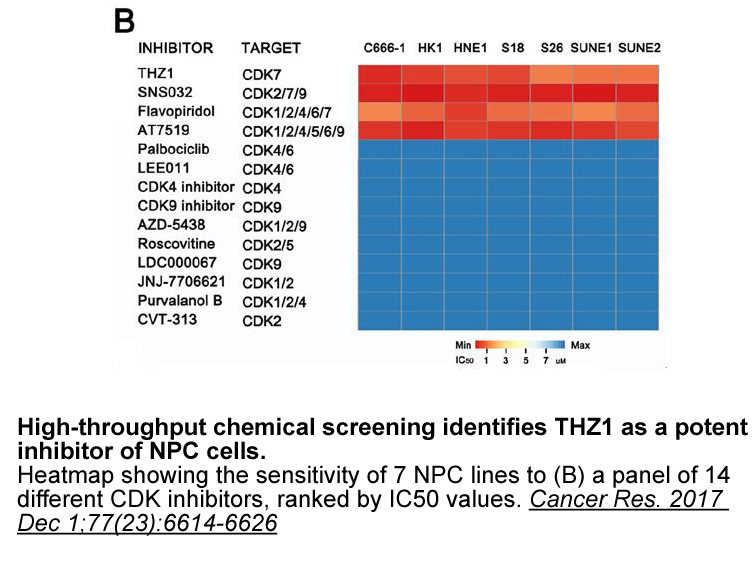
Given these findings above, we hypothesized that hypernociception produced by intra-amygdala 8-OH-DPAT is result of hyperpolarization in this area. This neuronal inhibition of the amygdaloid complex might result in an inactivation of crucial neurotransmitter systems of the descending inhibitory pain
-
It has been reported that
2024-05-06
It has been reported that 5-HT2R involves in type 2 diabetes mellitus and 5-HT-induced IR [22,23]. The present study also demonstrated that it is 5-HT2R rather than other 5-HT receptors, including 5-HT1BR and 5-HT7R, in the liver that mediates HFD-induced abnormality of hepatic lipid metabolism, and
-
Some alterations in the integrity of cell membranes caused b
2024-05-03
Some alterations in the integrity of cell membranes caused by toxic agents can be determined by measuring certain enzymes released by damaged cells [8]. The cholinesterases, for example, catalyze the hydrolysis of Taxifolin (ACh) in choline and acetic acid. Theses enzymes are divided into two types
-
However for a molecular target to be useful in AD
2024-05-03
However, for a molecular target to be useful in AD, it must rescue behavioral as well as biochemical insults. In humans, AD memory impairments typically declare themselves initially as disruption of episodic memory and consolidation of new memories, eventually progressing to global cognitive decline
-
br Discussion Here we focused on seven plant
2024-05-03
Discussion Here, we focused on seven plant alkaloids extracted from yokukansan. These alkaloids individually inhibited 5-HT-mediated 5-HT3A and 5-HT3AB receptor currents weakly. Simultaneous administration of these alkaloids, however, inhibited the 5-HT3A and 5-HT3AB receptor currents strongly. T
-
The H N mutation in exon
2024-05-03
The H373N mutation in exon 6 has not previously been reported [3], [4], [5], [6]; thus, this mutation appears to be a novel mutation. The functional expression study demonstrated that the H373N mutation results in almost complete loss of enzymatic activity. Thus, it is highly likely that the H373N m